
Made for Everyday Confidence


If you’ve ever stepped outside on a hot day and immediately started sweating, you might wonder: Does heat make you sweat more?
The short answer is yes. Heat is the most common and natural trigger for increased sweating. Sweating is your body’s built-in cooling system. It is designed to prevent overheating and maintain a stable internal temperature.
Here’s how it works, and what you can do if sweating in the heat becomes uncomfortable.
When temperatures rise, your body activates its thermoregulation system.
The hypothalamus — the part of your brain that acts like a thermostat — detects rising core temperature. In response, it signals your sweat glands to release moisture onto your skin's surface.
As that sweat evaporates, it removes heat from your body. This evaporation process is what cools you down.
The hotter the environment, the more your body may sweat to maintain balance.

Not everyone sweats the same amount in warm weather. Several factors can influence how much you sweat, including:
Physically fit people often begin sweating sooner during heat exposure because their bodies are more efficient at cooling down.
Sweating in the heat is normal. But it can become uncomfortable, especially during long hours outdoors or physically demanding work.
Common issues include:
Heat rash can develop when sweat ducts become blocked. This can cause small red bumps, irritation, or itching, particularly in areas like the underarms where skin rubs together.
Excess sweat combined with friction can irritate the skin. Areas where clothing or skin rubs may become red or tender during prolonged heat exposure.
When sweat does not evaporate quickly, clothing can feel heavy or cling to the skin. This can increase discomfort throughout the day.
Sweating is not the problem. It's the body's cooling solution.
Yes, indirectly.
In humid conditions, sweat evaporates more slowly. Since evaporation is what cools your body, humid air can make you feel hotter and wetter even if you’re not producing more sweat.
This is why hot, humid days often feel more uncomfortable than dry heat.
If you work outdoors or in warm environments, managing heat exposure becomes important.
Here are practical ways to reduce discomfort:
Drink water regularly to support your body’s cooling process.
Loose-fitting breathable fabrics allow airflow and help sweat evaporate.
Periodic cooling helps regulate internal temperature. If available, use a handheld or portable fan.
If you spend long hours in high temperatures, certain products can improve your comfort.
Cooling neck wraps and cooling towels use evaporative cooling to lower skin temperature. When worn around the neck, they can help because blood vessels in that area sit close to the surface.
Cooling patches for heat may provide short-term relief by creating a cooling sensation on the skin. They do not reduce core body temperature. But they can make heat exposure feel more manageable.

Sweating during heat exposure is normal. However, seek medical attention if you experience:
These symptoms can be signs of heat-related illness. If they occur, it’s important to get medical care.
Yes, heat makes you sweat more. Sweating is your body’s natural way of cooling itself when temperatures rise.
While sweating in the heat is normal, simple strategies like hydration, breathable clothing, and cooling aids can improve your comfort. If symptoms feel severe or unusual, consult a healthcare professional.

Also in Blogs

If you’ve noticed more sweating after smoking, you’re not imagining it. Smoking can make you sweat more for some people. Nicotine affects your nervous system, body temperature, and sweat glands, al...
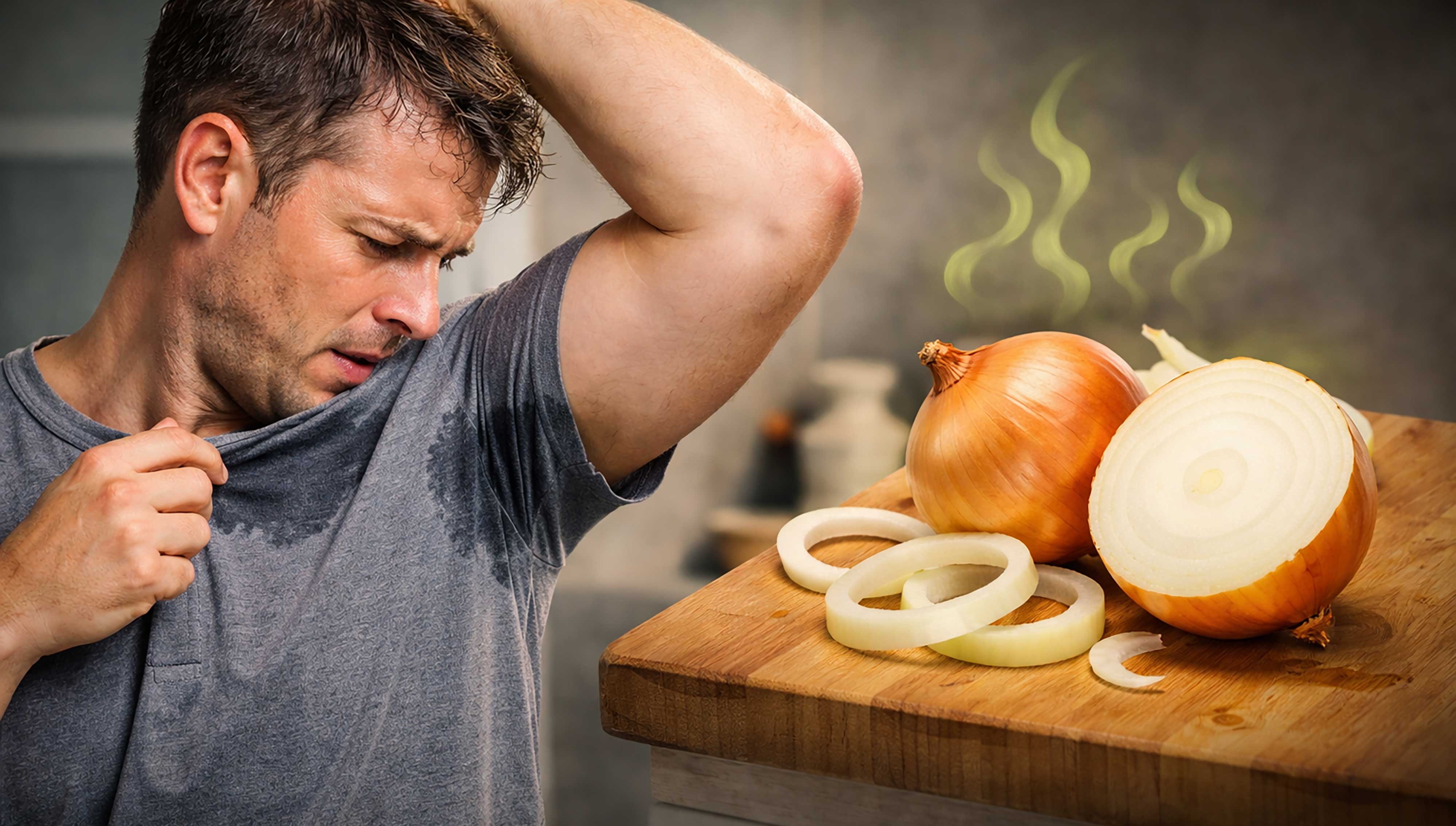
Wondering why your sweat smells like onions? It’s not your imagination. That sharp, onion-like smell can show up even when you’re clean, and it usually comes down to a mix of sweat, bacteria, and w...

Hot weather can make anyone sweat, but sweating in high humidity often feels much worse. Often, on humid days, your skin stays damp, your clothes cling to your body, and you feel hotter than the te...

© Ejis. all rights reserved.
